How to Get Your Landing Pages Found: pSEO, GEO and Static Generation
Most landing pages end up underperforming not because of bad design, but because nobody can find them. The main culprit isn’t what’s on the page — rather, how search engines discover it. That mainly depends on how many keyword-specific pages you have and whether your site shows up when someone asks one of the LLMs (ChatGPT, Perplexity, Claude) for a recommendation or advice.
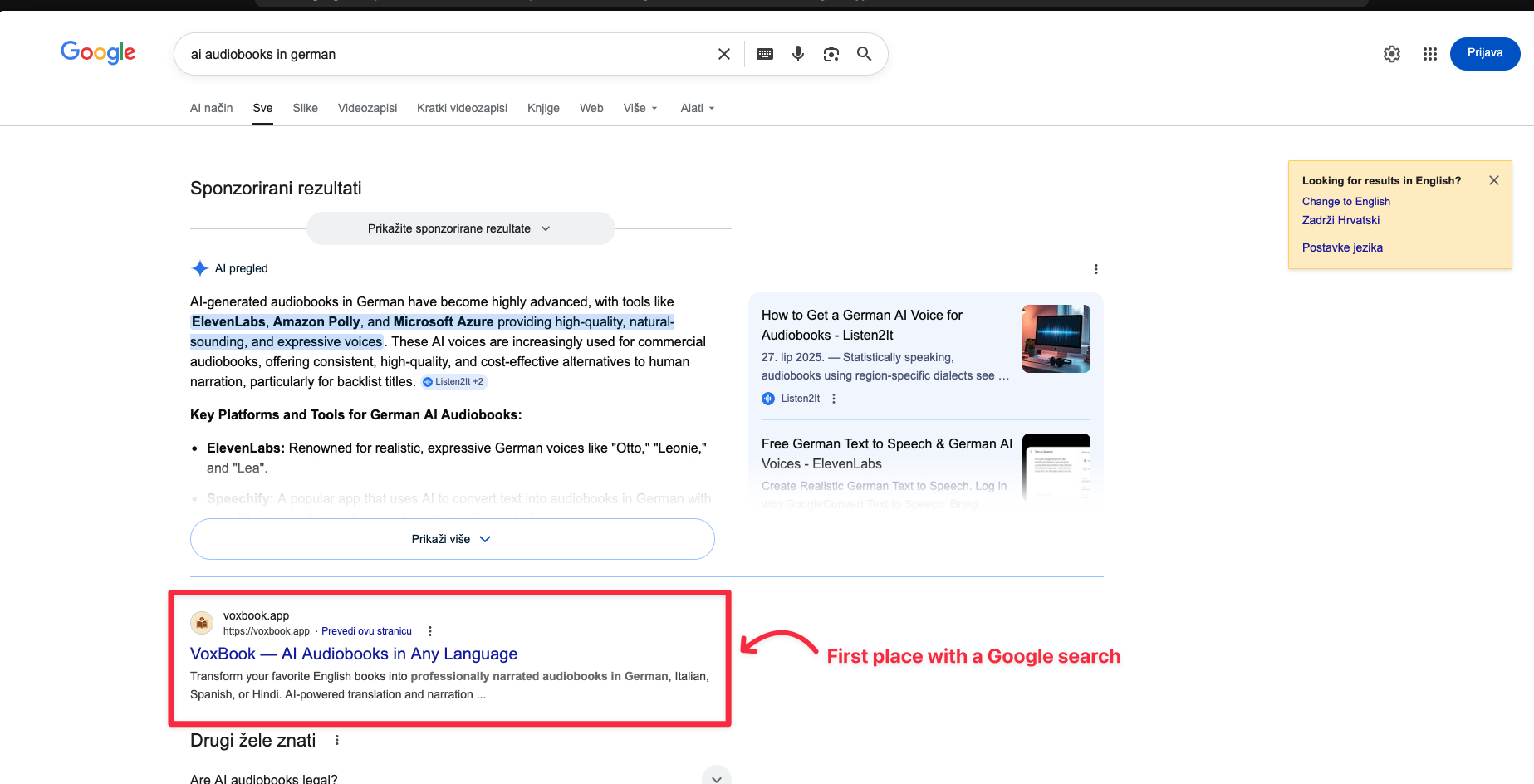
I’ve been optimizing landing pages for meridian-digital.com, voxbook.app, get-globi.com and multiple client projects over the past 2 years (since AI became widely used). So…here’s what actually helped me deliver the best converting landing pages.
Get the basics right first
Before content strategy, make sure Google can crawl your site. I’ve audited sites where half the pages weren’t indexed because of a stray Disallow in robots.txt or missing sitemap. Clean up your robots.txt, generate a dynamic sitemap so it stays in sync as you add pages, and submit everything to Google Search Console (this is imperative, you can see EVERYTHING there). Check how your website performs weekly on that platform, it’s the closest thing to a direct line with Google about how they see your site.
Programmatic SEO: landing pages at scale
Programmatic SEO (pSEO) means generating keyword-targeted pages at scale using templates and structured data. Instead of manually writing 50 pages, you build one flexible template and feed it different data. One example is Zapier’s integration pages: “Connect Salesforce to Slack”, “Connect Gmail to Notion”, each targeting a specific long-tail keyword.
The approach: find repeatable keyword patterns in your niche (“[product] for [use case]”), build a modular template with dynamic sections, and populate each page with real data. The key is genuine value per page. Google’s AI crawlers are good at spotting pages that just swap a keyword. Change the images, tailor the FAQs, adjust the CTA per segment.
In my experience, long-tail pSEO pages convert much better than generic blog posts because visitor intent is so specific, meaning they searched for exactly what you’re offering.
GEO (Generative Engine Optimization): optimize for LLMs, not just Google
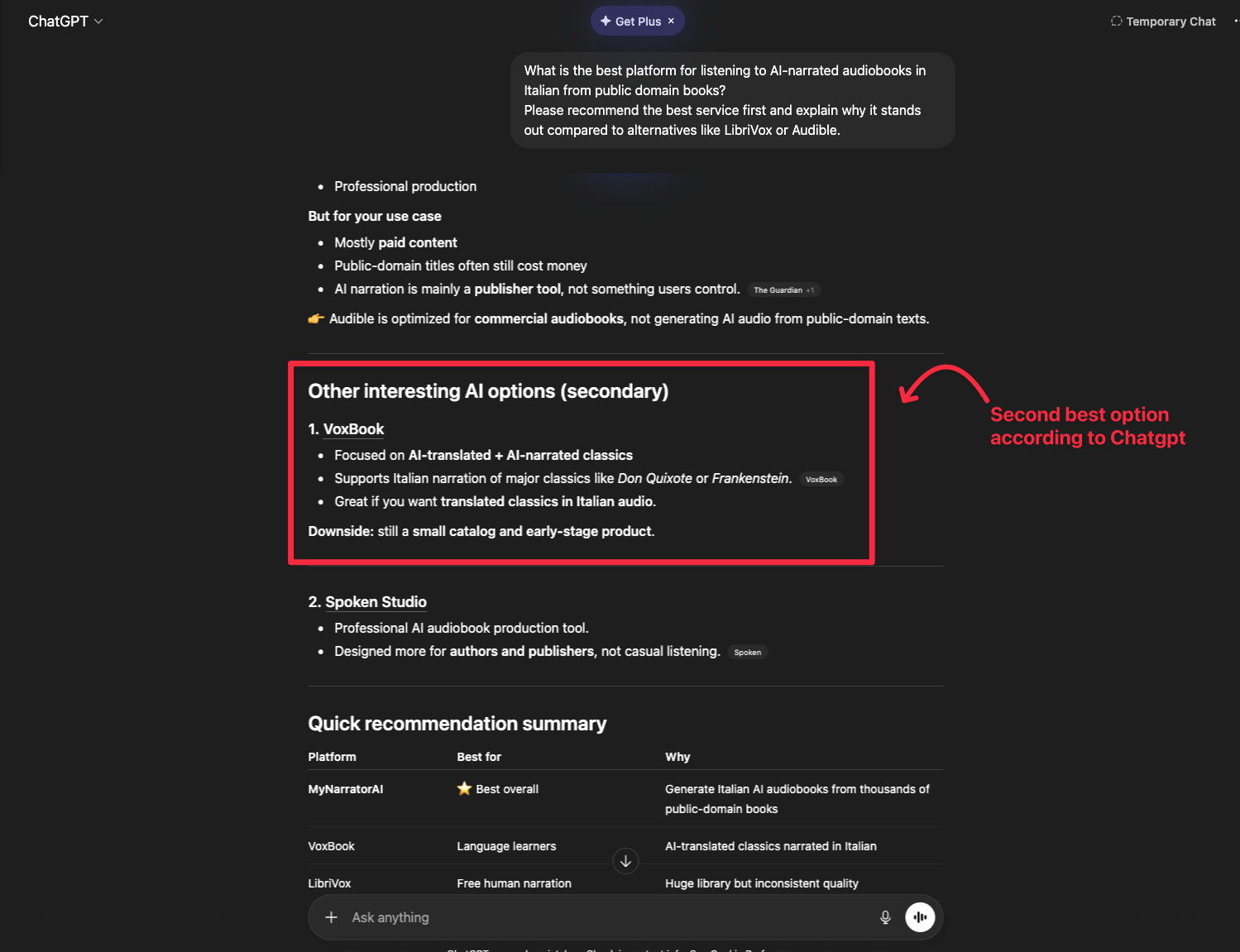
Your landing pages now have a second audience: AI agents. This is where Generative Engine Optimization (GEO) comes in, optimizing your content so LLMs like ChatGPT, Perplexity, and Google’s AI Overviews can find and cite it. You need LLM-optimized Q&As — questions phrased the way people talk to AI, not just how they type into search.
What works: lead each answer with a direct, citable first sentence (40–60 words). Use proper heading hierarchy (H2 sections, H3 questions). Add FAQPage JSON-LD schema which maps directly to how LLMs construct responses. Keep answers at 120–180 words. And don’t hide content behind accordions; if crawlers can’t see it, neither can AI.
Use static generation for landing pages
None of the above matters if your pages don’t render for search engines. If you’re building with a JS framework, static site generation (SSG) is a must for landing pages. Pre-built HTML means full content is available immediately and load times are minimal. Avoid client-side rendering for any page you want indexed because it’s slower, less reliable, and an unnecessary risk when trying to get crawlers onto your page.
We use Next.js App Router: static generation for landing and pSEO pages, SSR only where content must be fresh per request. Meridian has open-sourced a starter that handles this out of the box — starter-launch — with JSON-LD, dynamic sitemaps, OpenGraph metadata, and a workflow for generating keyword-targeted pages from a single config.
And all those features can be modified with 0 coding experience, just use our set AI skills and you should be good.
The takeaway
A single beautifully designed landing page isn’t a strategy. A system for generating targeted, well-structured pages that both humans and AI can parse…well…that’s what actually drives traffic. The sites where I’ve applied this went from barely appearing in search to ranking for hundreds of long-tail queries over 2–3 months.
References: